Browse by occupation
Famous Writers
The best-known novelists, poets and playwrights in our archive, ranked by historical popularity.
974 writers in our database, ranked by historical popularity. Page 2 of 20.
Most common birth month
November
93 of 974 were born in November
Living vs deceased
135 / 839
14% are still living
Most common nationality
American
194 people, 20% of the list
Editor-written profiles
308
32% have a full original profile so far
The ranked list (from #51)
- 51
 StendhalNovelist who wrote The Red and the Black and The Charterhouse of Parma, pioneering psychological realism in French fiction.🇫🇷French · Born January 23, 1783 · Died March 23, 1842View profile Photo (modified): Olof Johan Södermark · Public domain
- 52
 Ayn RandWrote the novels The Fountainhead and Atlas Shrugged, and founded the philosophy she called Objectivism.🇺🇸American · Born February 2, 1905 · Died March 6, 1982View profile Photo (modified): Photo portrait credited to "Talbot" (though not on original dust jacket). Published by the Bobbs-Merrill Company . · Public domain
- 53
 Bertolt BrechtPlaywright and director who wrote The Threepenny Opera and Mother Courage and Her Children, and developed epic theatre.🇩🇪German · Born February 10, 1898 · Died August 14, 1956View profile Photo (modified): Kolbe, Jörg · CC BY-SA 3.0 de
- 54
 Rabindranath TagoreBengali poet who won the 1913 Nobel Prize in Literature for Gitanjali and wrote India's national anthem.🇮🇳Indian · Born May 6, 1861 · Died August 7, 1941View profile Photo (modified): Generalstabens litografiska anstalt · Public domain
- 55
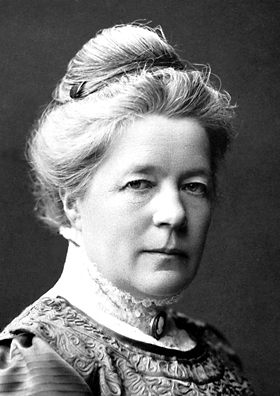 Selma LagerlöfWriter of Gösta Berling's Saga and The Wonderful Adventures of Nils, and the first woman to win the Nobel Prize in Literature.🇸🇪Swedish · Born November 20, 1858 · Died March 16, 1940View profile Photo (modified): Unknown author · Public domain
- 56
 Jorge Luis BorgesArgentine writer whose short-story collections Ficciones and El Aleph reshaped modern fiction with labyrinths, mirrors and imaginary libraries.🇦🇷Argentine · Born August 24, 1899 · Died March 14, 1986View profile Photo (modified): Grete Stern · Public domain
- 57
 Stefan ZweigWriter of biographies, novellas and the memoir The World of Yesterday, among the most widely translated authors of the interwar years.🇦🇹Austrian · Born November 28, 1881 · Died February 22, 1942View profile Photo (modified): Franz Xaver Setzer (1886-1939) · Public domain
- 58
 Thomas MannWrote Buddenbrooks and The Magic Mountain, and received the Nobel Prize in Literature in 1929.Czechoslovak · Born June 6, 1875 · Died August 12, 1955View profile Photo (modified): Nobel Foundation · Public domain
- 59
 Arthur Conan DoylePhysician turned writer who created the detective Sherlock Holmes, starring in four novels and fifty-six short stories.🇬🇧British · Born May 22, 1859 · Died July 7, 1930View profile Photo (modified): Walter Benington · Public domain
- 60
 Robert FrostPoet of New England life, famous for verses such as The Road Not Taken and Stopping by Woods on a Snowy Evening.🇺🇸American · Born March 26, 1874 · Died January 29, 1963View profile Photo (modified): Fred Palumbo, World Telegram staff photographer · Public domain
- 61
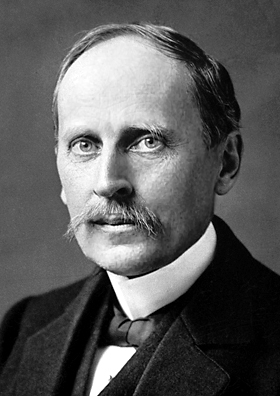 Romain RollandAuthor of the ten-volume novel Jean-Christophe, he received the Nobel Prize in Literature in 1915 and campaigned for pacifism.🇫🇷French · Born January 29, 1866 · Died December 30, 1944View profile Photo (modified): Unknown author · Public domain
- 62
 Charles PerraultGave literary form to Cinderella, Puss in Boots and Sleeping Beauty in his collection of fairy tales.🇫🇷French · Born January 12, 1628 · Died May 16, 1703View profile Photo (modified): Charles Le Brun · Public domain
- 63
 Umberto EcoSemiotics professor whose medieval murder mystery The Name of the Rose became a global bestseller.🇮🇹Italian · Born January 5, 1932 · Died February 19, 2016View profile Photo (modified): Rob Bogaerts for Anefo · CC0
- 64
 Giacomo CasanovaLeft a vivid, candid memoir, Histoire de ma vie, recounting his adventures and love affairs across Europe.Venetian · Born April 2, 1725 · Died June 4, 1798View profile Photo (modified): Francesco Giuseppe Casanova · Public domain
- 65
 Toni MorrisonWrote the novels Beloved and Song of Solomon and won the Nobel Prize in Literature in 1993.🇺🇸American · Born February 18, 1931 · Died August 5, 2019View profile Photo (modified): John Mathew Smith ( celebrity-photos.com ) · CC BY-SA 2.0
- 66
 George R. R. MartinCreated the fantasy novel series A Song of Ice and Fire, adapted for television as Game of Thrones.🇺🇸American · Born September 20, 1948View profile Photo (modified): Henry Söderlund · CC BY 4.0
- 67
 Lord ByronRomantic poet who wrote the long satirical poem Don Juan and the travelling narrative Childe Harold's Pilgrimage.🇬🇧British · Born January 22, 1788 · Died April 19, 1824View profile Photo (modified): Thomas Phillips · Public domain
- 68
 Nikolai GogolWrote Dead Souls and the satirical play The Government Inspector, cornerstones of Russian realism and satire.Russian-Ukrainian · Born March 19, 1809 · Died February 21, 1852View profile Photo (modified): Otto Friedrich Theodor von Möller · Public domain
- 69
 D. H. LawrenceNovelist behind Sons and Lovers and Lady Chatterley's Lover, whose frank treatment of sexuality led to bans and obscenity trials.🇬🇧British · Born September 11, 1885 · Died March 2, 1930View profile Photo (modified): Unknown author Unknown author (passport office) · Public domain
- 70
 Daniel DefoeJournalist and novelist who wrote Robinson Crusoe, often regarded as one of the first English novels.🇬🇧English · Born April 3, 1660 · Died April 24, 1731View profile Photo (modified): Unknown Unknown , style of Sir Godfrey Kneller · Public domain
- 71
 Maxim GorkyRussian writer whose novel Mother and play The Lower Depths made him a founding figure of Soviet literature.🇷🇺Russian · Born March 28, 1868 · Died June 14, 1936View profile Photo (modified): Herman Mishkin · Public domain
- 72
 Pablo NerudaPoet and diplomat who won the Nobel Prize in Literature in 1971 and wrote Twenty Love Poems and a Song of Despair.🇨🇱Chilean · Born July 12, 1904 · Died September 23, 1973View profile Photo (modified): Unknown ( Mondadori Publishers ) · Public domain
- 73
 George Bernard ShawPlaywright behind Pygmalion and Saint Joan, who won the Nobel Prize in Literature in 1925 and an Academy Award.🇮🇪Irish · Born July 26, 1856 · Died November 2, 1950View profile Photo (modified): Bain News Service, publisher · Public domain
- 74
 Maurice MaeterlinckBelgian Symbolist playwright who wrote Pelléas and Mélisande and The Blue Bird, and won the 1911 Nobel Prize in Literature.🇧🇪Belgian · Born August 29, 1862 · Died May 6, 1949View profile Photo (modified): Gerschel · Public domain
- 75
 Kurt VonnegutSatirical novelist who drew on the bombing of Dresden to write Slaughterhouse-Five, his best-known and most celebrated book.🇺🇸American · Born November 11, 1922 · Died April 11, 2007View profile Photo (modified): Bernard Gotfryd / Adam Cuerden · Public domain
- 76
 Milan KunderaCzech-born novelist who wrote The Unbearable Lightness of Being, drawing on life under communism and later exile in France.Czech-French · Born April 1, 1929 · Died July 11, 2023View profile Photo (modified): Elisa Cabot · CC BY-SA 3.0
- 77
 Giorgio VasariItalian painter and architect who wrote the Lives of the Artists and designed the Uffizi in Florence.🇮🇹Italian · Born July 30, 1511 · Died June 27, 1574View profile Photo (modified): Attributed to Jacopo Zucchi · Public domain
- 78
 Heinrich HeineGerman Romantic poet whose Book of Songs was set to music by many composers, including Schubert and Schumann.🇫🇷French · Born December 13, 1797 · Died February 17, 1856View profile Photo (modified): Moritz Daniel Oppenheim · Public domain
- 79
 Louisa May AlcottWrote Little Women, the much-loved novel following the four March sisters, which spawned several sequels.🇺🇸American · Born November 29, 1832 · Died March 6, 1888View profile Photo (modified): Adam Cuerden · Public domain
- 80
 Erich Maria RemarqueWrote All Quiet on the Western Front, a bleak novel of German soldiers in the First World War.🇩🇪German · Born June 22, 1898 · Died September 25, 1970View profile Photo (modified): Unknown author · CC BY-SA 3.0 de
- 81
 Ursula K. Le GuinScience fiction and fantasy author of the Earthsea books and The Left Hand of Darkness.🇺🇸American · Born October 21, 1929 · Died January 22, 2018View profile Photo (modified): Marian Wood Kolisch, Oregon State University Restored by Adam Cuerden · CC BY-SA 2.0
- 82
 Isaac AsimovProlific science fiction writer behind the Foundation series and the Robot stories, which introduced the Three Laws of Robotics.🇺🇸American · Born January 2, 1920 · Died April 6, 1992View profile Photo (modified): Phillip Leonian [ 1 ] from New York World-Telegram & Sun. [ 2 ] · Public domain
- 83
 Virginia WoolfModernist novelist whose Mrs Dalloway and To the Lighthouse made stream of consciousness famous.🇬🇧British · Born January 25, 1882 · Died March 28, 1941View profile Photo (modified): Unknown author · Public domain
- 84
 Guy de MaupassantMaster of the French short story, he wrote hundreds of tales, including Boule de Suif, in a naturalist style.🇫🇷French · Born August 5, 1850 · Died July 6, 1893View profile Photo (modified): Nadar · Public domain
- 85
 Paulo CoelhoNovelist whose fable The Alchemist became one of the best-selling books ever written by a Brazilian author.🇧🇷Brazilian · Born August 24, 1947View profile Photo (modified): Lula Oficial · CC BY-SA 2.0
- 86
 Alexandre Dumas filsPlaywright and novelist who wrote La Dame aux Camélias, the source for Verdi's opera La traviata.🇫🇷French · Born July 27, 1824 · Died November 27, 1895View profile Photo (modified): Unknown author · Public domain
- 87
 Arthur RimbaudTeenage poet who produced A Season in Hell and Illuminations before abandoning verse entirely in his early twenties.🇫🇷French · Born October 20, 1854 · Died November 10, 1891View profile Photo (modified): Étienne Carjat · Public domain
- 88
 Jack LondonWrote The Call of the Wild, a Klondike adventure novel about a sled dog named Buck.🇺🇸American · Born January 12, 1876 · Died November 22, 1916View profile Photo (modified): published by L C Page and Company Boston 1903 · Public domain
- 89
 Knut HamsunNovelist who received the Nobel Prize in Literature for Growth of the Soil, having earlier made his name with Hunger.🇳🇴Norwegian · Born August 4, 1859 · Died February 19, 1952View profile Photo (modified): Nasjonalbiblioteket from Norway · Public domain
- 90
 William Somerset MaughamWriter whose novel Of Human Bondage and many popular plays and short stories made him among the best-paid authors of his day.🇬🇧British · Born January 25, 1874 · Died December 16, 1965View profile Photo (modified): Carl Van Vechten (1880 - 1964) · Public domain
- 91
 Stephen KingProlific horror writer whose novels Carrie, The Shining and It have sold hundreds of millions of copies and inspired many films.🇺🇸American · Born September 21, 1947View profile Photo (modified): Kevin Payravi · CC BY-SA 4.0
- 92
 Aleksandr SolzhenitsynExposed the Soviet labour camp system in The Gulag Archipelago and won the 1970 Nobel Prize in Literature.🇷🇺Russian · Born December 11, 1918 · Died August 3, 2008View profile Photo (modified): Bert Verhoeff for Anefo · CC0
- 93
 Marquis de SadeAristocrat and writer whose scandalous novels, including Justine and The 120 Days of Sodom, gave rise to the word sadism.🇫🇷French · Born June 2, 1740 · Died December 2, 1814View profile Photo (modified): Charles-Amédée-Philippe van Loo · Public domain
- 94
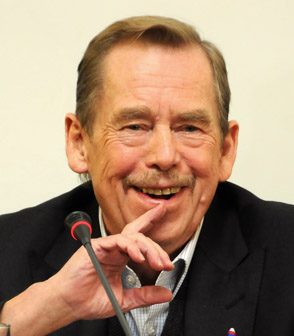 Václav HavelDissident playwright who became the last president of Czechoslovakia and then the first president of the Czech Republic.🇨🇿Czech · Born October 5, 1936 · Died December 18, 2011View profile Photo (modified): Ondřej Sláma · CC BY-SA 3.0
- 95
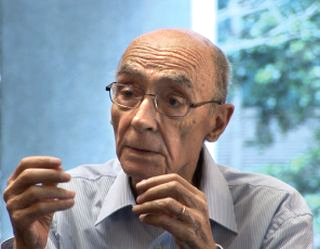 José SaramagoPortuguese novelist who won the 1998 Nobel Prize in Literature, known for Blindness and long, lightly punctuated sentences.🇵🇹Portuguese · Born November 16, 1922 · Died June 18, 2010View profile Photo (modified): Unknown author · CC BY 2.0
- 96
 Anatole FranceNovelist who won the Nobel Prize in Literature in 1921 and wrote The Crime of Sylvestre Bonnard.🇫🇷French · Born April 16, 1844 · Died October 12, 1924View profile Photo (modified): Photographer : Wilhelm Benque. Tucker Collection · Public domain
- 97
 Bjørnstjerne BjørnsonNorwegian writer awarded the 1903 Nobel Prize in Literature, who also wrote the lyrics of Norway's national anthem.🇳🇴Norwegian · Born December 8, 1832 · Died April 26, 1910View profile Photo (modified): Erwin Raupp / Adam Cuerden · Public domain
- 98
 André GideNobel laureate whose novels include The Immoralist and The Counterfeiters.🇫🇷French · Born November 22, 1869 · Died February 19, 1951View profile Photo (modified): Ottoline Morrell (1873-1938) · Public domain
- 99
 Theodor HerzlFounded the Zionist Organization and wrote Der Judenstaat, setting out the case for a Jewish state.Austro-Hungarian · Born May 2, 1860 · Died July 3, 1904View profile Photo (modified): Carl Pietzner · Public domain
- 100
 Rainer Maria RilkePoet of the Duino Elegies and Sonnets to Orpheus, also known for Letters to a Young Poet.🇦🇹Austrian · Born December 4, 1875 · Died December 29, 1926View profile Photo (modified): Unknown author · Public domain
How we rank and select
- Ranking: people are ordered by their Historical Popularity Index (HPI) from Pantheon. HPI combines how many Wikipedia language editions have an article about a person, how many page views those articles get, how evenly the views are spread across languages and how long ago the person lived. People Pantheon does not yet cover are listed after them, ordered by our own popularity score (the number of Wikipedia language editions with an article about them).
- Membership: each person appears in one occupation list only, based on their primary occupation as classified by Pantheon (for example, a queen who wrote poetry is listed as royalty, not as a writer). Kings, queens, emperors, sultans and royal consorts are not listed as politicians or writers: anyone who held a monarch's office on Wikidata, and never served as a president or head of government, counts as royalty. For the few people Pantheon does not cover, we use the primary field recorded in our database.
- One-line summaries: each summary is an original line written for this site with AI assistance under our editorial rules, then checked against the Wikipedia introduction so no wording is copied.
- Statistics: every figure on this page is calculated live from our database each time the page loads, so it changes as we add people.
Further reading
- Pantheon: Historical Popularity Index (HPI) rankings
- Wikidata: birth dates, death dates and occupations
- Wikipedia: biographies behind our summaries and popularity scores
Reviewed by the Who Shares My Birthday editorial team.
Last reviewed: October 2026
More occupations